August 17th, 2014, 13:08
August 17th, 2014, 16:55
August 17th, 2014, 17:39
fzabkar wrote:It's possible for an unstable +5V supply to impact on a HDD's performance and reliability, but I suspect that the most likely reason for the increased incidence of failure is that newer HDDs are less reliable than the older ones. They spin faster, have much higher data densities, and the heads fly much closer to the platters. Laptops are also affected by heat and vibration. In any case the +5VDC supply is derived from the adapter's 19VDC output via a DC-DC converter on the laptop's motherboard, so any instability in the adapter's output would be largely mitigated by the down-converter on the motherboard.
August 17th, 2014, 20:03
That's doubtful, because the increased incidence of failure happened with drives of similar characteristics.
In fact, the specs of external 2'5 hard disks in particular have changed very little over the last 4 years. The most commonly used types by the regular users are drives of 500 GB and 1 TB with 5400 RPM and 8 MB buffer.
This corresponds to shipments of 552 million units in 2013 compared to 578 million in 2012 and 622 million in 2011
The most commonly used types by the regular users are drives of 500 GB and 1 TB with 5400 RPM and 8 MB buffer
August 17th, 2014, 20:31
August 18th, 2014, 3:41
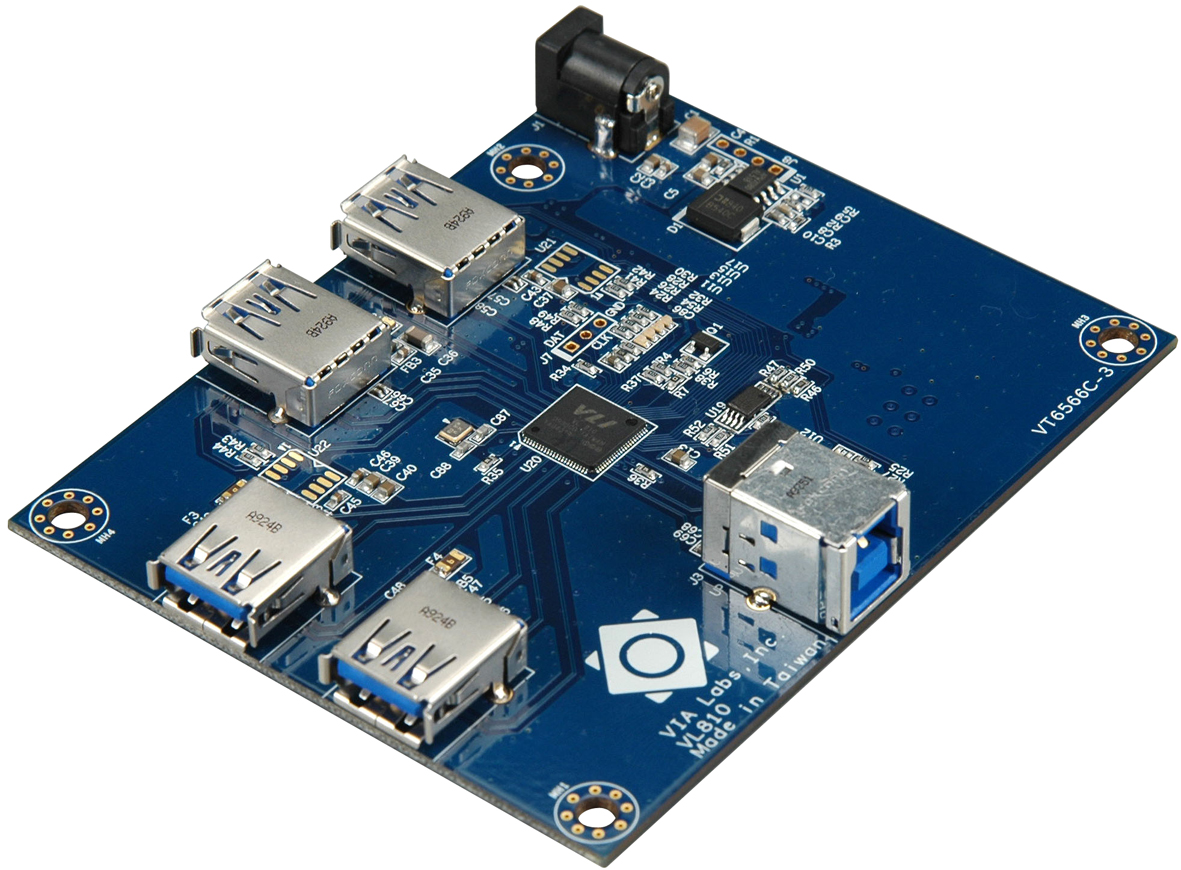
fzabkar wrote:I don't know how to narrow down the source of the problem in a safe and timely manner, but you could try isolating your external drives from the laptop's power supply by way of a powered USB hub.
August 18th, 2014, 4:07
... a self-powered hub is one that takes its power from an external power supply unit and can therefore provide full power (up to 500 mA [for USB 2.0]) to every port.
August 28th, 2014, 18:22
Powered by phpBB © phpBB Group.